

- The Main Difference Between Polyester and Cotton
- Overview of the Difference Between Polyester and Cotton
- What is Polyester?: The History Of Polyester
- What is Cotton?: The History Of Cotton
- How to Choose the Right Polo Shirt for Different Occasions?
- Conclusion
- FAQs
While polyester and cotton both find their homes in the modern wardrobe, they are distinct worlds of their own. Explore the essential differences between cotton’s rich, natural heritage and polyester’s cutting-edge, synthetic engineering. From their historical roots in ancient civilizations and military laboratories to their unique functional statements like luxury matte softness versus high-tech moisture-wicking speed, this guide demystifies the two iconic fabrics and celebrates their unique ways of redefining the classic polo shirt.
The Main Difference Between Polyester and Cotton
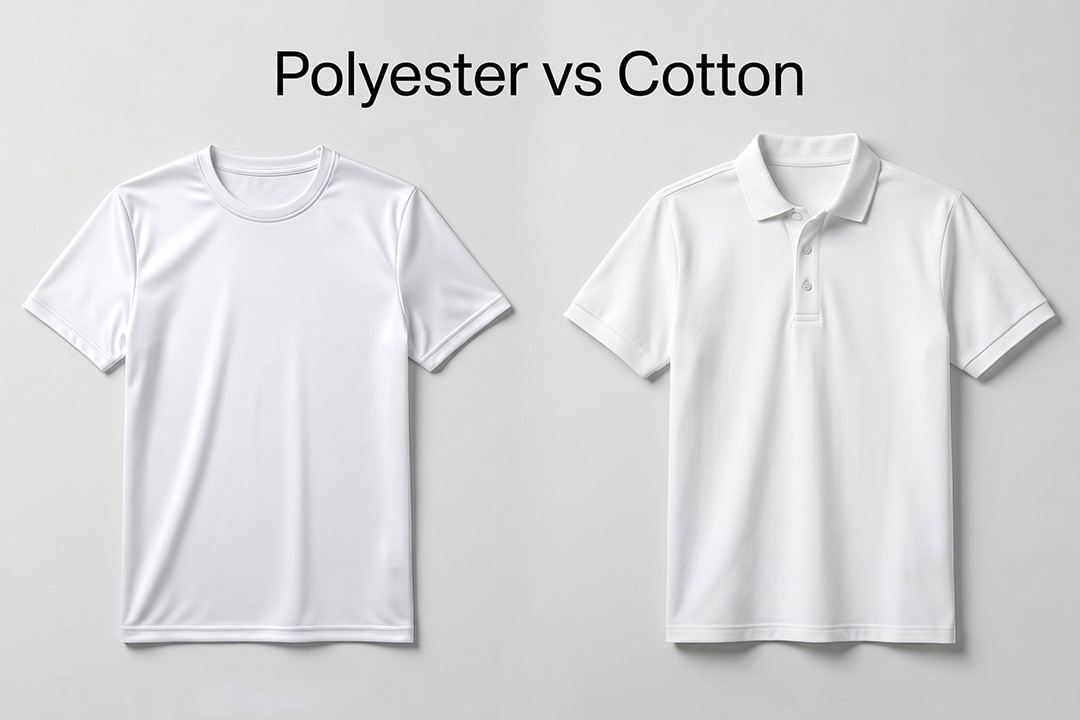
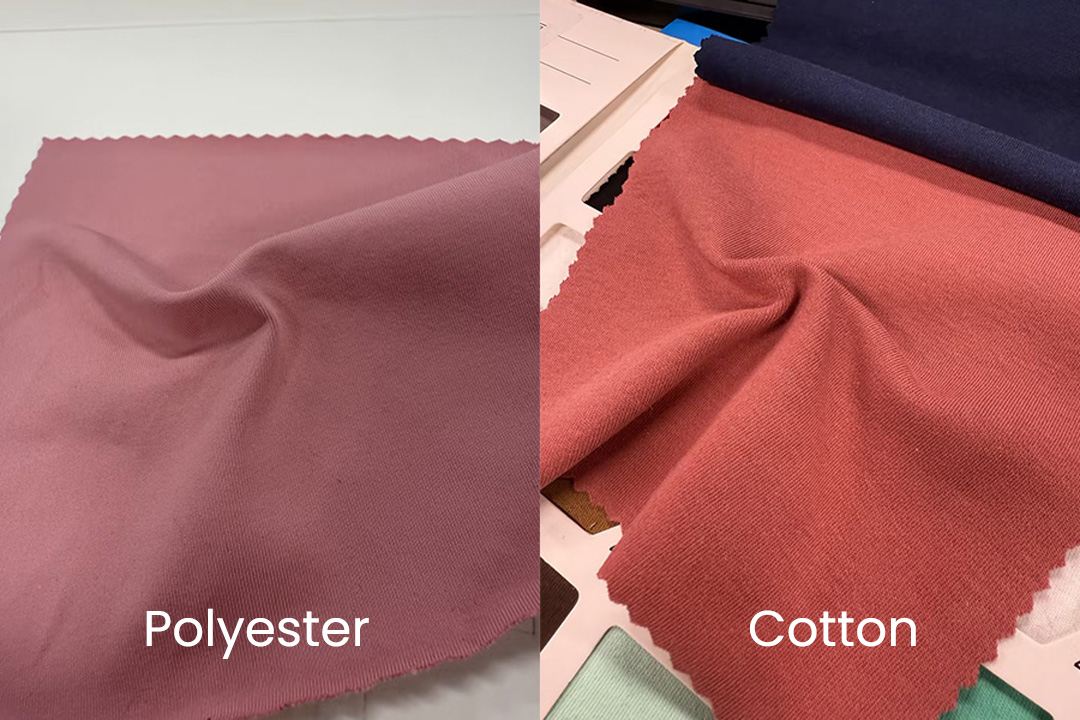
The main difference is that cotton is a natural fiber rooted in daily comfort, classic luxury, and skin-friendly breathability, focusing on a premium matte appearance and traditional style. Polyester (synthetic fabric) focuses on high-tech performance, moisture-wicking speed, and wrinkle-free durability. While cotton wearers appreciate natural softness and a sharp business look, polyester wearers focus on athletic freedom and low-maintenance convenience.
Overview of the Difference Between Polyester and Cotton
|
Feature Comparison
|
Polyester
|
Cotton
|
|---|---|---|
|
Breathability & Temperature Regulation
|
• Breathability depends on fabric engineering; good quality can be very breathable.
• Some technical weaves enhance airflow and cooling. |
• Natural fiber structure with excellent breathability.
• Comfortable to wear, not stuffy. |
|
Moisture Management & Dryness
|
• Hydrophobic; wicks moisture away from skin.
• Dries very quickly, keeping you dry. |
• Highly absorbent; soaks up sweat.
• Dries slowly; can feel damp and clingy. |
|
Appearance & Texture
|
• Smooth, sleek, and holds its shape well.
• Wrinkle-resistant. • Color stays vibrant; minimal shrinkage. |
• Soft, matte, and natural feel.
• Wrinkles easily. • May shrink if not cared for properly. |
|
Durability & Care
|
• Highly durable and abrasion-resistant.
• Easy care; machine-washable and quick to dry. |
• Can pill, fade, or soften over time.
• Often requires gentler washing and air drying. |
|
Weight & Handfeel
|
• Lightweight and easy to wear.
• Smooth or slightly slick, technical feel. |
• Heavier, with a substantial, cozy drape.
• Warm and soft to the touch. |
|
Cost & Value
|
• Generally lower initial cost.
• Great long-term value due to durability and easy maintenance. |
• Cost varies with quality.
• Valued for its natural comfort and classic look. |
What is Polyester?: The History Of Polyester
To truly understand the differences between these two fabrics, we must first dive into their distinct cultural origins. So, let’s start with polyester.
The Lab Birth (1930s - 1940s)
Polyester was born in a laboratory, not a fashion studio. In 1941, British chemists John Rex Whinfield and James Tennant Dickson patented Polyethylene Terephthalate (PET). Recognizing its incredible tensile strength, the British government classified its research during World War II. The military used this new fiber to mass-produce durable parachutes and heavy-duty ropes. From day one, it was engineered for survival.
The 1970s Disco Boom (1950s - 1970s)
After the war, chemical giant DuPont bought the US rights to the patent and marketed it as "Dacron." By the 1970s, polyester exploded into global fashion. Marketers famously branded it as a "miracle fiber" that could be worn for 68 days straight without ironing. The disco era fell in love with it. However, because early polyester was thick, stiff, and prone to trapping sweat, it quickly earned a negative reputation as a "cheap, plastic fabric."
The High-Tech Rebirth (Present)
Today, polyester has undergone a complete technological revolution. Modern scientists split the fibers into microfibers finer than a human hair. This modern Performance Polyester became the undisputed king of sportswear, chosen by brands like Nike for professional golf Polo shirts. Furthermore, it has entered a green chapter—modern rPET technology now melts down ocean-bound plastic bottles into premium, eco-friendly apparel.
What is Cotton?: The History Of Cotton
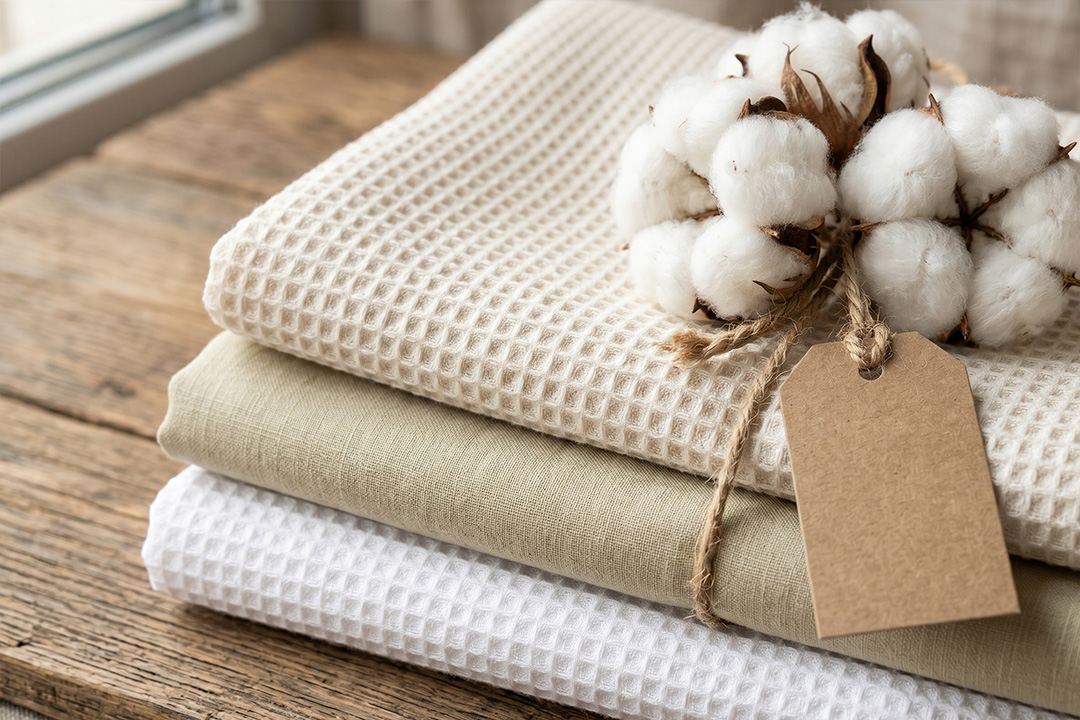
Now that we’ve uncovered the synthetic roots of polyester, let’s turn to its natural rival. To fully appreciate why cotton remains a staple in our wardrobes, we must look at its deep, thousands-of-years-old heritage.
The Ancient Luxury (Pre-18th Century)
Unlike polyester, cotton was created by nature, not in a lab. Archaeologists found cotton fabric remnants in Indus Valley caves dating back to 3000 BC. For millennia, weaving cotton was a highly skilled, manual art form practiced in ancient India, Egypt, and Peru. It was so light, soft, and rare that it was treated as a luxury fabric, reserved primarily for royalty and the wealthy elite.
The Industrial Boom (18th - 19th Century)
The fate of cotton changed forever in 1793 when American inventor Eli Whitney patented the cotton gin. This machine automated the separation of seeds from cotton fiber, skyrocketing production speeds. Cotton quickly became the driving force behind the global Industrial Revolution. It transformed from an exclusive luxury into an affordable, mass-produced everyday essential for the entire world.
The Premium Standard (Present)
Today, cotton is the undisputed global gold standard for comfort and premium quality. Instead of basic cotton, modern premium fashion focuses on long-staple varieties like Egyptian cotton and American Pima cotton. These high-grade fibers are spun into exceptionally soft, durable yarns. They provide the natural luster and weightless breathability that luxury brands demand for high-end, executive-style polo shirts.
How to Choose the Right Polo Shirt for Different Occasions?
No single fabric rules every corner of a modern man’s life. The secret to looking sharp isn't finding a "perfect" all-around shirt—it is about matching the right fabric for polo to the demands of your day. Here is how to navigate your calendar without ever making a wardrobe misstep.
Occasion 1: Active Sports, Travel, and High-Pressure Days
If your agenda involves swinging a golf club, running through airport terminals, or rushing between back-to-back corporate meetings, traditional fabrics will inevitably let you down. Under these high-sweat and high-movement conditions, you need the tactical advantage of ultra-lightweight synthetic engineering.
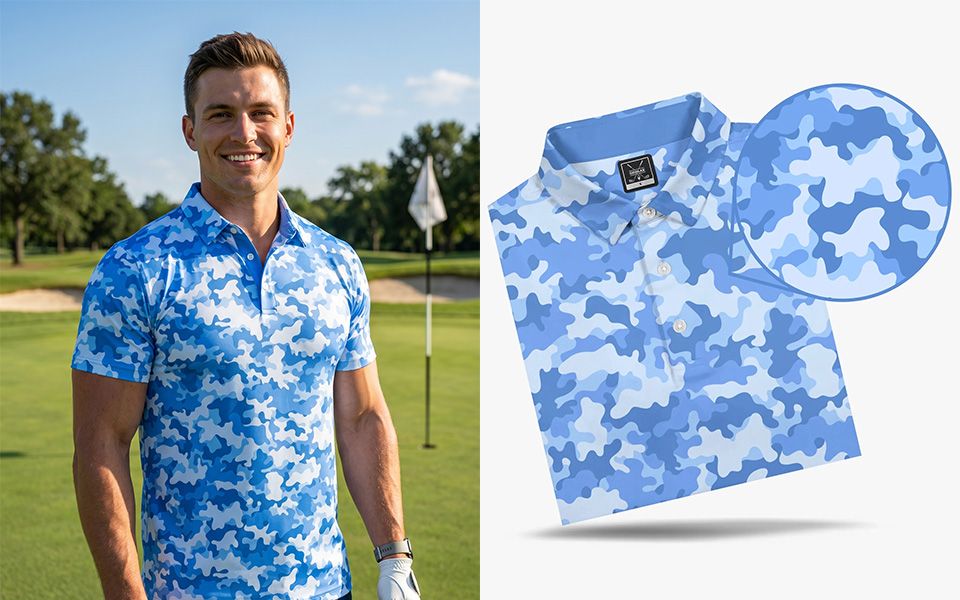
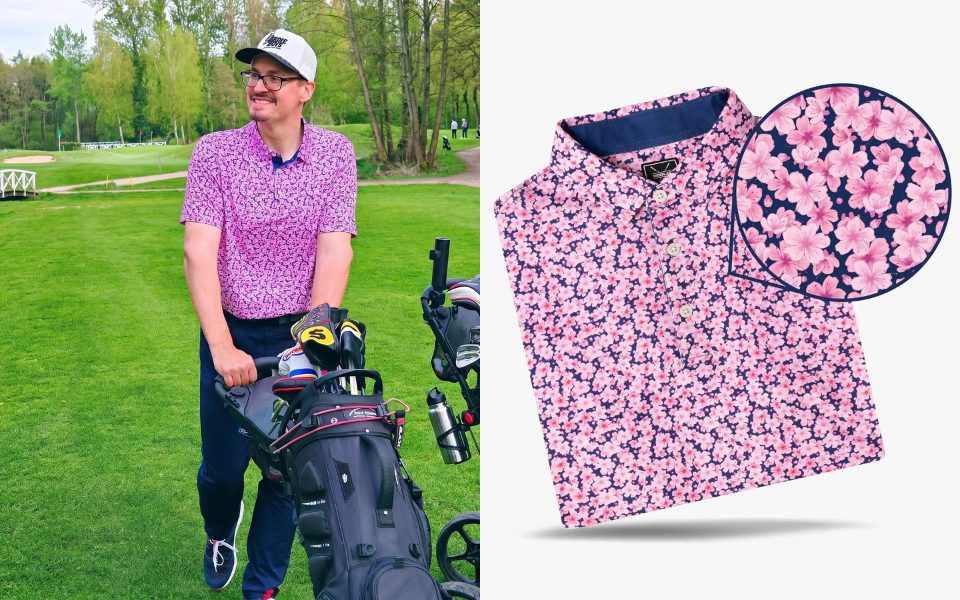
This is where a high-performance, jersey-knit polyester claims its crown. It does not absorb moisture; it conquers it by pulling sweat away from your skin for instant evaporation. Plus, its natural wrinkle resistance means you can pull it straight out of a tightly packed suitcase and wear it immediately—no iron required.
Ocean Camo Polo
Sakura Polo
Occasion 2: Formal Boardrooms and Upscale Networking
When you are stepping into a high-stakes executive meeting or attending an upscale evening lounge, the dress code demands prestige, depth, and structured texture. Many men think they can only wear heavy cotton for these events, but pure cotton wrinkles the moment you sit down, and the collar notoriously sags after a few washes.
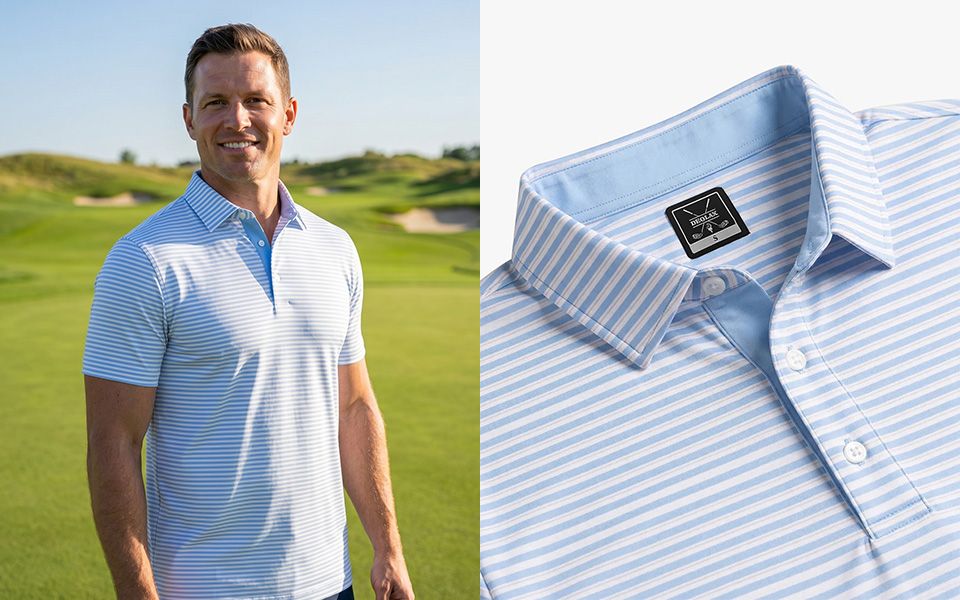
The modern corporate solution is a high-end, heavyweight polyester that mimics the luxurious appearance of natural fibers but retains the elite durability of synthetic technology.
Nautical Stripe Polo
Heritage Stripe Polo

Occasion 3: Off-Duty Weekends and Casual Socials
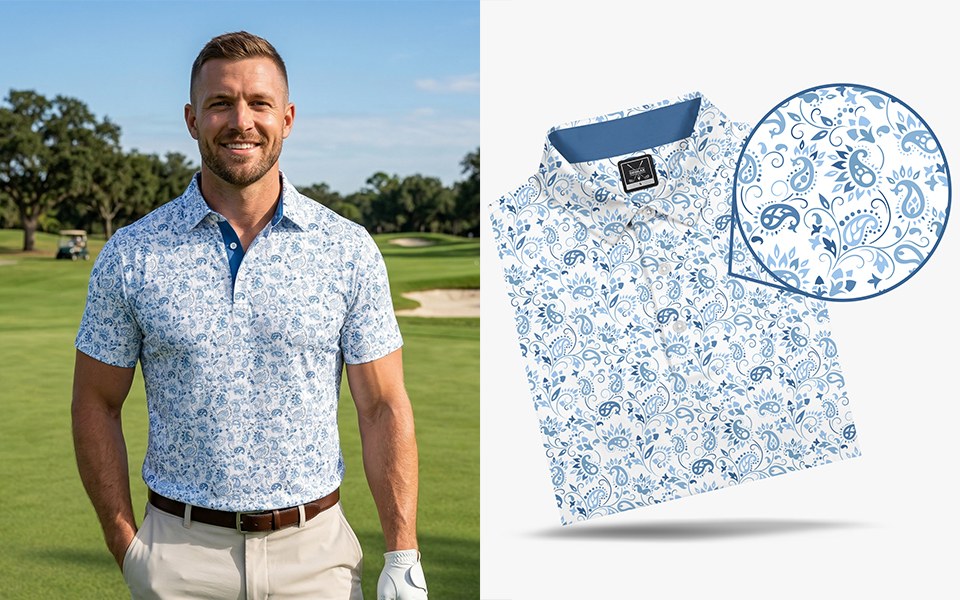
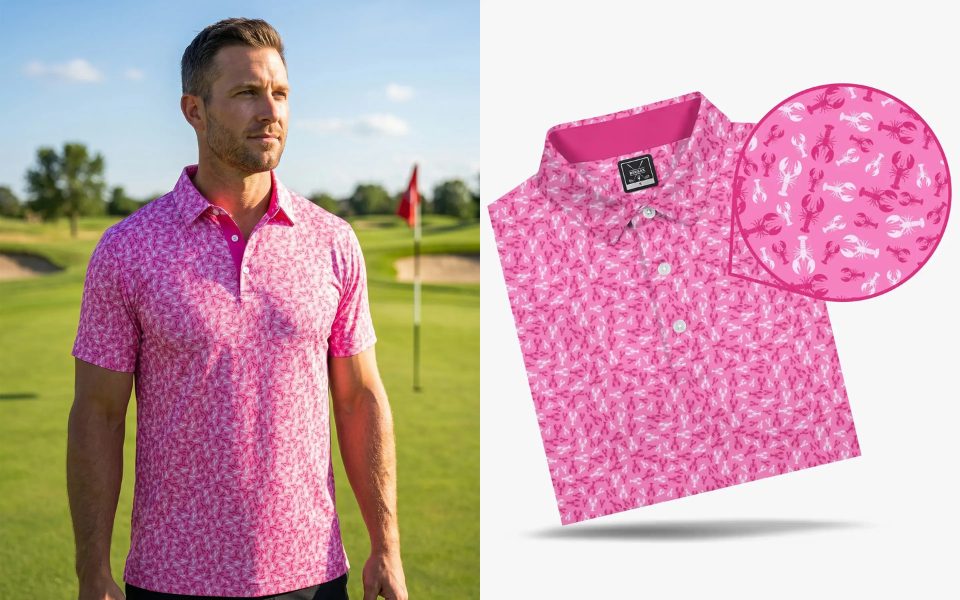
Sundays are made for slowing down, whether that means a casual brunch with friends or a relaxed coastal drive. For these off-duty occasions, your wardrobe should focus on effortless comfort and a laid-back, relatable aesthetic. You want a shirt that feels completely weightless against your skin but still keeps you looking put-together without any morning prep time.
Paisley Park Polo
Crawfish Boil Polo
Conclusion
In essence, while both fabrics embrace the classic polo silhouette, they speak different functional languages. Cotton is a traditional statement rooted in history, nature, and organic softness, finding its elegance in business-casual tailoring. Polyester, on the other hand, is a performance-driven solution born from lab innovation, focusing on raw durability and athletic freedom. One looks outward to the prestige of the office, while the other looks inward to the demands of an active lifestyle. Whether you lean towards the natural elegance of cotton or the low-maintenance power of polyester, both remain powerful ways to own your unique style in a fast-moving world.
FAQs
Which is Better for A Hot Summer?
Cotton is great for a casual, low-sweat day. However, if you are active, Performance Polyester is much better because it wicks sweat away and dries instantly, avoiding that heavy, sticky feeling.
Why Do Business Polos Often Use Cotton?
Cotton carries a traditional, luxury texture that looks very formal. That said, modern polyester now uses a matte pique weave to perfectly mimic that premium look while adding wrinkle resistance.
Which is Better for Sensitive Skin?
For severe skin sensitivities, 100% natural cotton is the safest, hypoallergenic choice. However, for sports and workouts, premium polyester is still ideal to keep sweat from irritating your skin.
Which Polo is Easier for Travel?
Polyester wins easily. Cotton wrinkles quickly in a suitcase and requires regular ironing. Polyester is naturally wrinkle-resistant and ready to wear straight out of your luggage.