

- Why are pumpkins used for Halloween?
- Why do we carve pumpkins at Halloween?
- What is the source of the Jack-O-Lantern?
- What are some alternatives to jack-o'-lanterns without pumpkins?
- Why are pumpkins so popular in America?
- Conclusion
Why do we carve pumpkins for Halloween? Halloween is one of the most anticipated holidays in the United States, known for its spooky costumes, eerie decorations, and, of course, the iconic pumpkin carving. But have you ever wondered why pumpkins are the chosen medium for this creepy tradition? In this article, we’ll dive deep into the origins and significance of carving pumpkins, exploring their cultural, historical, and social impact.
Why are pumpkins used for Halloween?
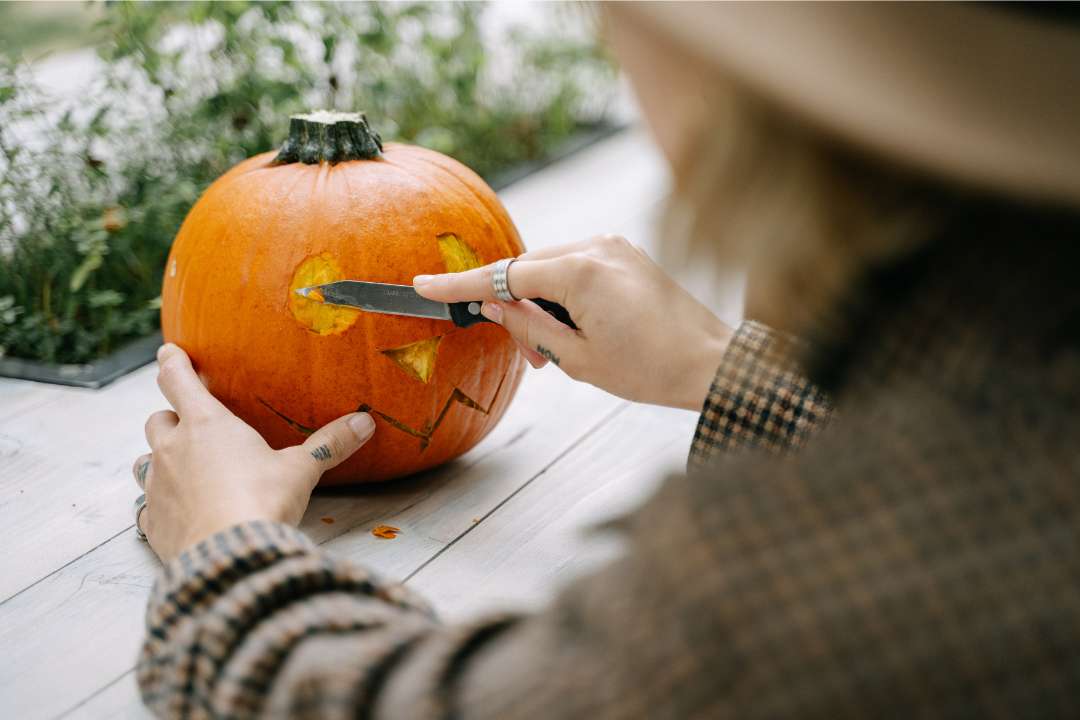
Pumpkins have become synonymous with Halloween, and their connection to the holiday runs deep. Originating in North America, pumpkins are easy to grow, harvest, and come in the perfect size for decoration. Their vibrant orange hue symbolizes warmth and abundance, fitting seamlessly with the themes of the fall season. But pumpkins weren't always the go-to for Halloween; early jack-o'-lanterns were carved from turnips, not pumpkins. The tradition came to America with Irish and Scottish immigrants who, upon discovering pumpkins, found them not only more plentiful but also easier to carve. This practice also spread to Canada, where Canadians celebrate Halloween with the same fondness for pumpkin-carving traditions.
Over time, this transition from turnips to pumpkins became an integral part of Halloween celebrations in North America and beyond. The pumpkin's hard shell makes it ideal for carving, and it aligns with Halloween’s timing, as it ripens in late fall, around the same time as the holiday. Its use in jack-o'-lanterns represents a blending of Celtic traditions and Native American culture, creating a distinct Halloween icon.
Why do we carve pumpkins at Halloween?
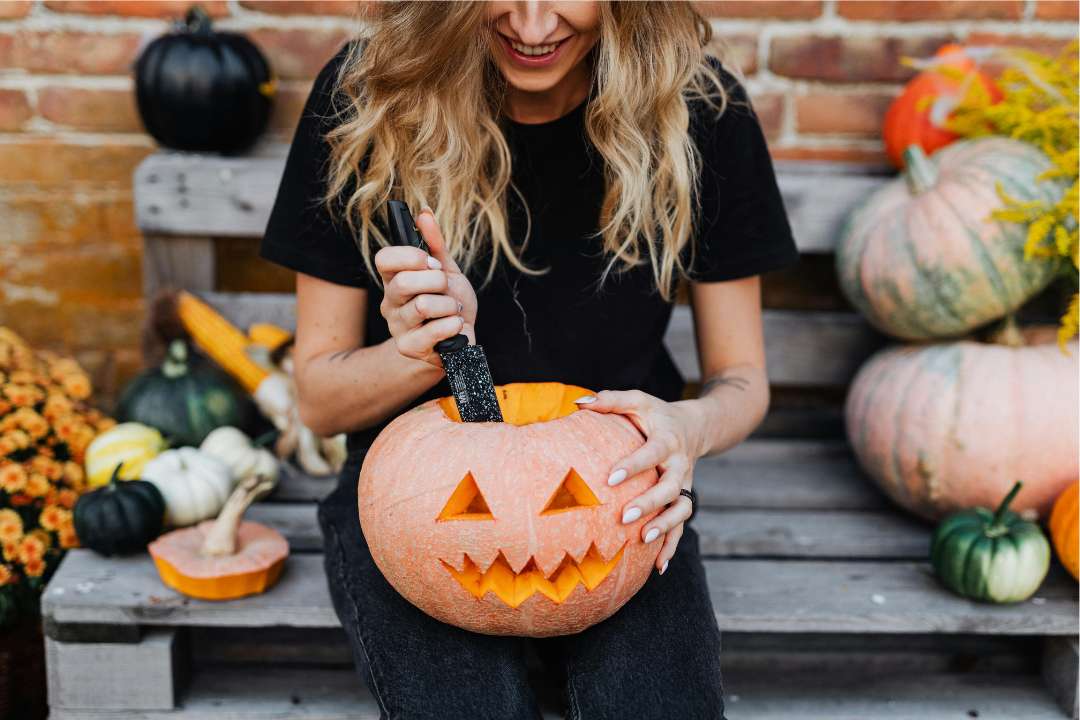
Carving pumpkins at Halloween has become one of the most recognizable traditions, but the practice itself is rooted in rich history and symbolism.
History of carved pumpkins
The tradition of carving pumpkins dates back to Irish folklore, where people originally carved turnips and placed candles inside them to ward off evil spirits. This custom was linked to the ancient Celtic festival of Samhain, marking the end of the harvest and the beginning of winter. In the 19th century, Irish immigrants brought this tradition to America, where they found pumpkins to be more abundant and easier to carve than turnips.
Over time, the carving of pumpkins evolved into the modern Halloween tradition. The practice was originally tied to the belief that the carved lanterns would drive away dark spirits, a reflection of the long nights in medieval Ireland. After the Irish Potato Famine led to mass migration, the jack-o'-lantern became more closely associated with Halloween in North America, replacing turnips with pumpkins and becoming a staple of the holiday's celebrations.
Symbolism of Pumpkin Carving
Carved pumpkins, or Jack-O'-Lanterns, are not just a decorative element of Halloween; they hold deep symbolic meaning. The glowing light inside represents the spirit world, guiding the souls of the dead back to the land of the living. Some traditions also see these carvings as a protective charm, warding off malevolent spirits during Halloween’s “veiling” period. The face of the Jack-O'-Lantern, often a sinister grin or eerie expression, embodies the playful yet eerie nature of the holiday, serving as a mischievous confrontation with the darkness and the unknown.
Social and Cultural Impact of Pumpkin Carving
Pumpkin carving has evolved from a simple Halloween tradition into a vibrant form of creative expression that brings people together. What began as a fun activity for families during the spooky season has blossomed into a competitive art form. Whether at neighborhood carving contests or intimate family gatherings, it’s an annual event that fosters community spirit. Over the years, pumpkin carving has made its way into pop culture, showing up at Halloween parties, in horror films, and even in artistic exhibitions. As artists and enthusiasts continue to push the boundaries of what's possible, pumpkins have become a canvas for intricate and imaginative designs, making the tradition even more of a communal celebration of creativity.
What is the source of the Jack-O-Lantern?
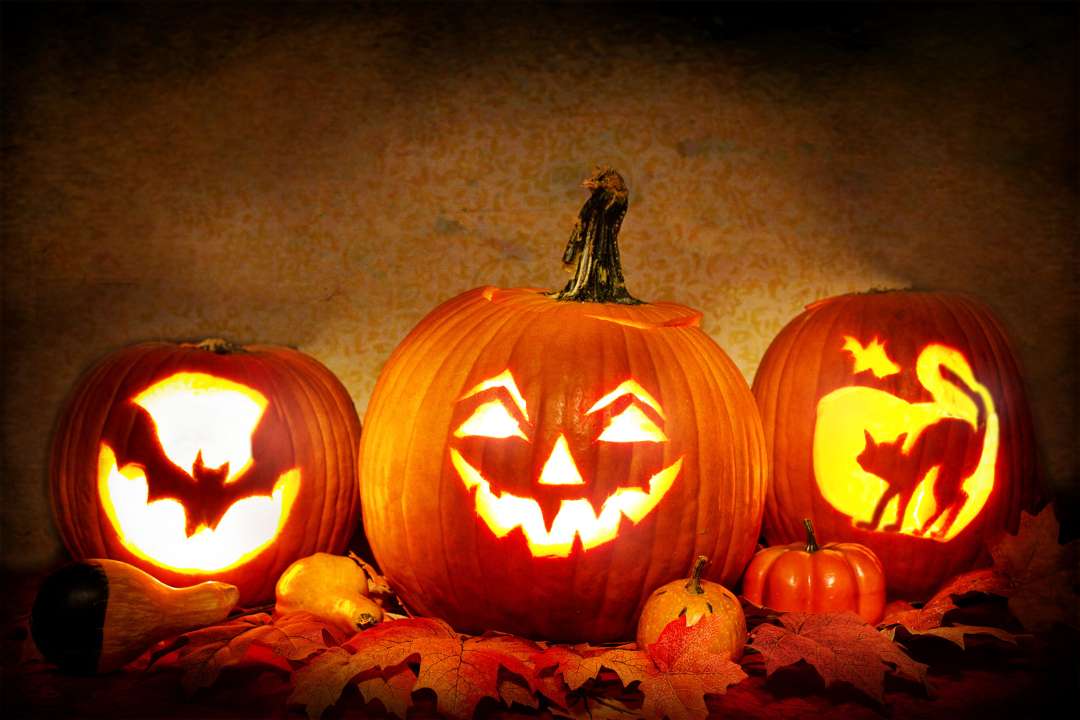
The name “Jack-O’-Lantern” comes from an old Irish tale about a man named Stingy Jack, who tricked the Devil on multiple occasions. When Jack died, he was cursed to wander the earth with only a carved turnip to light his way. Over time, this story became part of the Halloween lore, and the carved lanterns were said to represent Jack’s lost soul. So, when we carve pumpkins for Halloween, we’re keeping that spooky story alive! While Jack’s lanterns were originally made from turnips, the story evolved, and pumpkins eventually took over. These days, Jack-O’-Lanterns have become a beloved Halloween symbol, and the story of Stingy Jack serves as a reminder of the season’s eerie charm.
What are some alternatives to jack-o'-lanterns without pumpkins?
While pumpkins are a traditional choice for Halloween carving, many creative alternatives are emerging for those looking to try something different. As Halloween has gained popularity, various cultural influences have brought new interpretations of the classic jack-o'-lantern. In places like Canada, where pumpkins are less abundant, people have begun experimenting with different materials to create their own festive lanterns. These alternatives can offer a fresh and unique twist on the holiday while still celebrating its spooky spirit.
Polo Shirt of Jack-O-Lantern
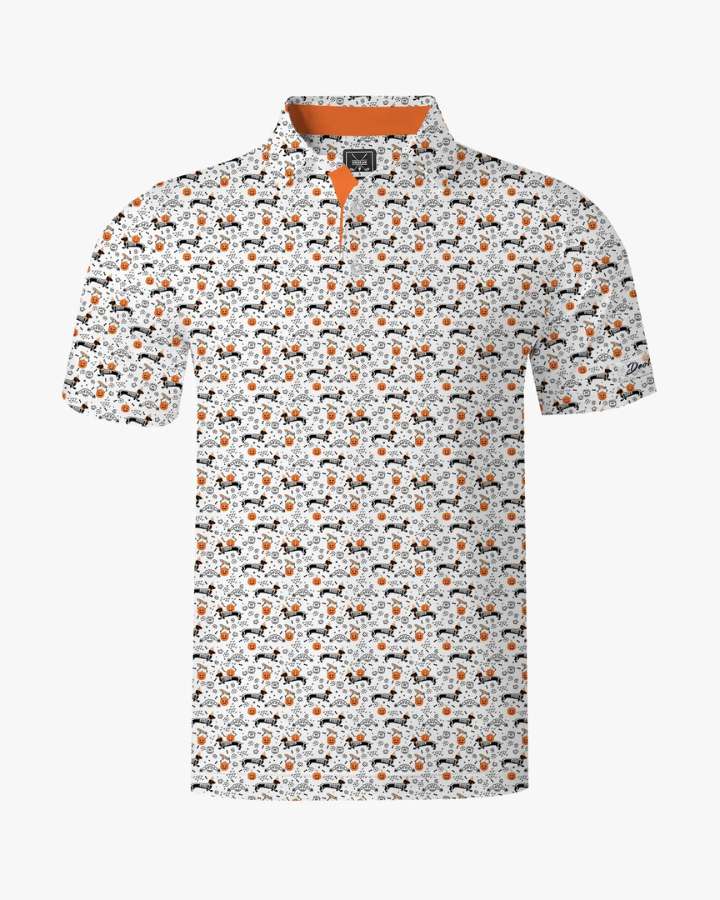
Turn a Halloween apparel into a Jack-O'-Lantern by drawing a pumpkin face on the front and adding a small light inside. This wearable lantern is a fun alternative to traditional pumpkin carving. Jack-O'-Lantern print polos are popular for Halloween, combining festive style and practicality. Whether worn or kept as a keepsake, it’s a quirky, long-lasting way to celebrate.
Scary Night Polo

The Dachshund Polo
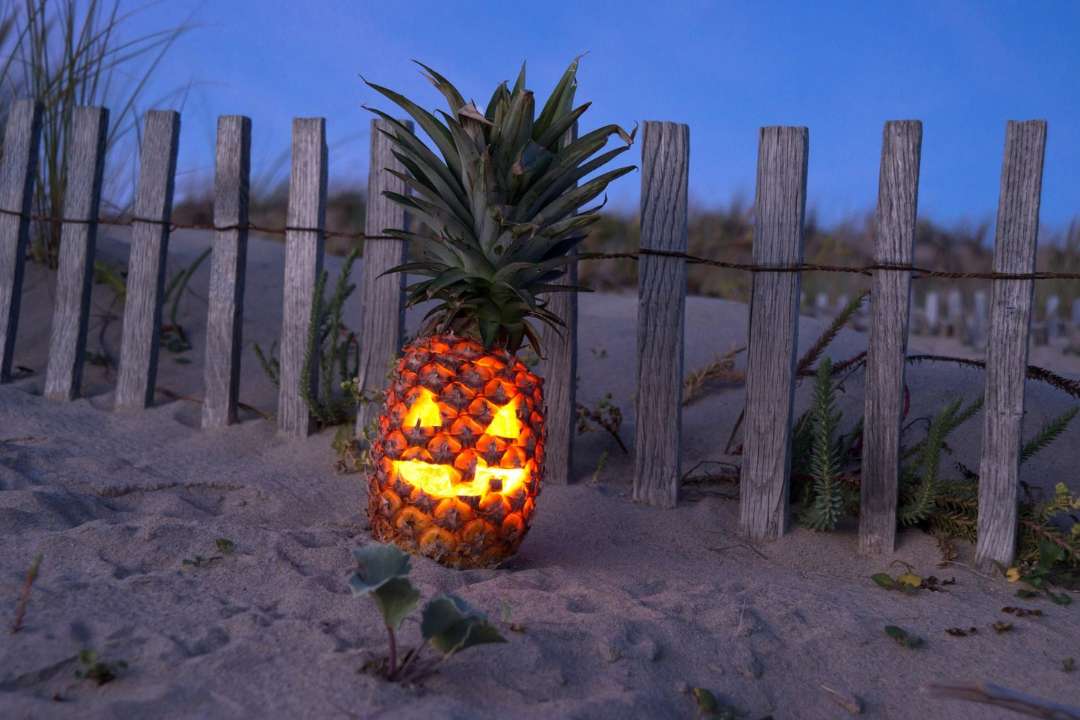
Pineapple version of Jack-O-Lantern
Give your Jack-O'-Lantern a tropical twist with a pineapple. Start by cutting through the spiky skin, hollowing it out, and carving a spooky face. The yellow flesh contrasts with the exterior, and the sharp green leaves add a ghostly effect. This easy, tropical alternative creates a unique, fun lantern for Halloween.
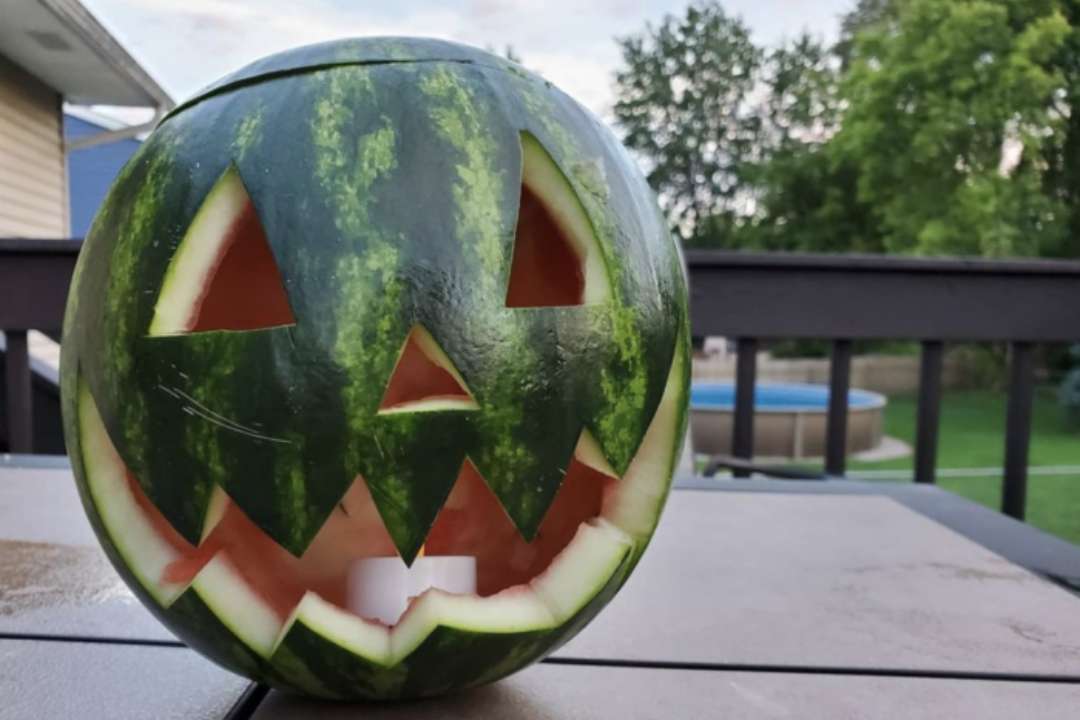
Watermelon of Jack-O-Lantern
For a playful twist, carve a watermelon into a Jack-O'-Lantern. The green rind contrasts with the juicy red interior, making it an eye-catching, fun option. Simply carve a spooky face and add a light inside to bring your lantern to life. It’s an easy, refreshing, and colorful choice for Halloween.
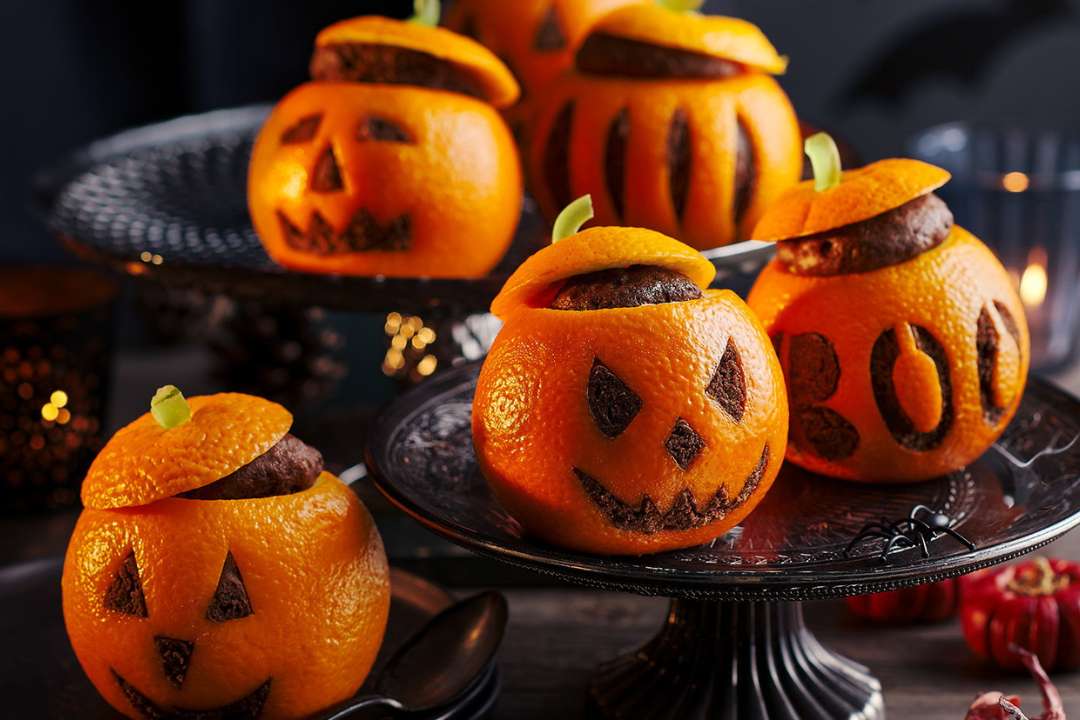
Orange of Jack-O-Lantern
For a minimalist Jack-O'-Lantern, use an orange. Peel the fruit, carve a small face, and place a light inside. The orange’s color mimics that of a pumpkin, making it a cute, simple alternative. It’s a quick, charming decoration for those who want a smaller, festive touch this Halloween.
Why are pumpkins so popular in America?
Pumpkins are incredibly popular in America due to both cultural and historical reasons. Native to North America, pumpkins have long been associated with the fall harvest, symbolizing warmth, abundance, and the spirit of the season. Their bright orange color fits perfectly with the autumn vibe. When it comes to Halloween, pumpkins hold a special place. Irish immigrants brought the tradition of carving turnips into lanterns, but pumpkins, being larger and easier to carve, quickly became the go-to choice for Jack-O'-Lanterns. Today, pumpkins are not only a staple in American farming but also a symbol of Halloween, deeply embedded in both agricultural traditions and festive customs.
Conclusion
In conclusion, carving pumpkins for Halloween is not just a fun tradition—it’s one deeply rooted in history, symbolism, and cultural significance. From its Celtic origins to its place in modern American celebrations, the pumpkin has become a beloved symbol of the season. Whether you’re crafting a classic Jack-O'-Lantern or experimenting with unique designs, pumpkin carving brings people together, sparks creativity, and amplifies the festive Halloween atmosphere. It's a timeless tradition that creates lasting memories year after year. Additionally, if you’re looking to complete your Halloween look, don’t forget to check out Deolax for Halloween-themed clothing! With a variety of spooky and humorous designs, you're sure to find something that fits your Halloween style perfectly.